What is Crypto Mining and How Does it Work?

Crypto mining is the process by which crypto miners use computers, data, codes, and calculations to validate crypto currency transactions and earn cryptocurrency as compensation for their work.
As people become more interested in cryptocurrency, it’s important for everyone to be able to easily understand how crypto mining works in simple terms.
Sometimes it is easier to understand how things work when we can visualize where the work is taking place, what is required to drive the work, and who or what is involved. We will take a look at some of those questions here in order to help you better understand how crypto mining works.
Where Does Crypto Mining Take Place?
While traditional mining took place in a physical mine or specific geographic place, crypto mining takes place in a decentralized system where anyone with a computer and power source – anywhere in the world – can be a part of the digital data recordkeeping required for cryptocurrency transactions. The shared, publicly available cryptocurrency record is called a ledger.
With traditional currency, the ledger is centralized, meaning only official authorities and banks can verify and validate transactions and values. In the decentralized cryptocurrency system, the responsibility for verifying and validating transactions and recording the digital data on the ledger is distributed among all of the participants on the cryptocurrency network. For this reason, it is called a distributed network.
The decentralized network functions like a web, with many people and computers taking part and participating, so no one institution or person can control the network.

As previously discussed, cryptocurrency uses distributed ledger technology to decentralize currency transactions. That ledger is called a blockchain. Crypto mining involves verifying blocks of data and adding them to the blockchain. This process allows for a trustless, peer-to-peer form of currency.
To verify blocks, crypto miners must verify the data in the block, record the transaction on the block, and add the new block to the blockchain. The verification process used in crypto mining is not easy. Miners must correctly guess the code associated with the data on the newest block using code-cracking functions. Code-cracking is called cryptography. Therefore, these functions are called cryptographic hash functions.
In crypto mining, the first miner to correctly guess the complex code for the latest block then transmits their work to other miners on the network. If other miners are able to verify the original miner’s code, the original miner receives cryptocurrency and transactions fees as a reward.
Who Are Crypto Miners?
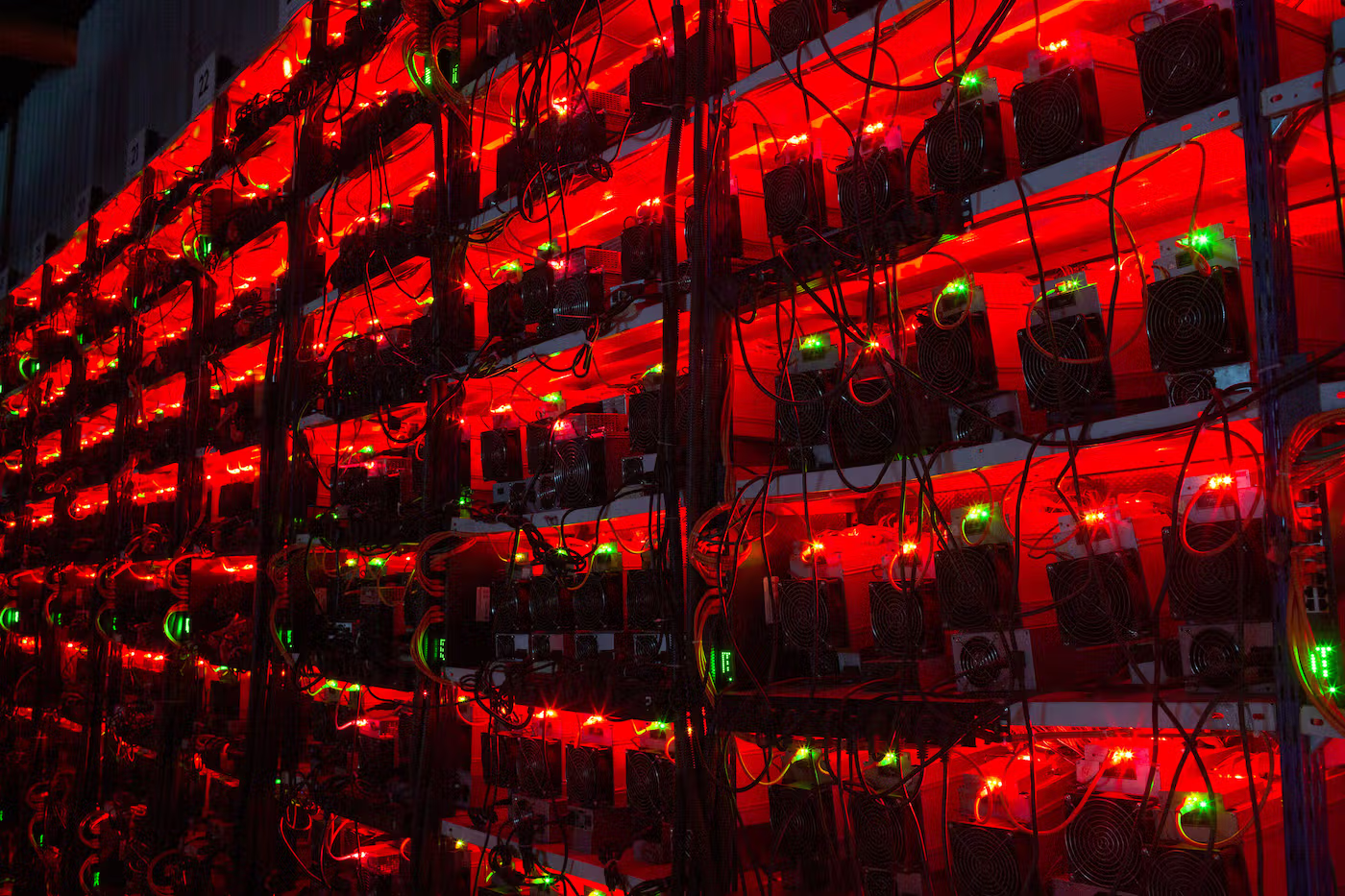
As you learn about cryptocurrency and crypto mining, you may have wondered “who exactly are crypto miners?” Crypto miners range from companies like TeraWulf with multiple facilities and miner machines to individuals using everything from mobile phones to personal computers to verify cryptocurrency.